Process Standards
Granel's working method is structured around verifiable intake documentation, evidence-referenced composition analysis, and a traceable record of every planning decision. The methodology page outlines each stage of that process in detail.
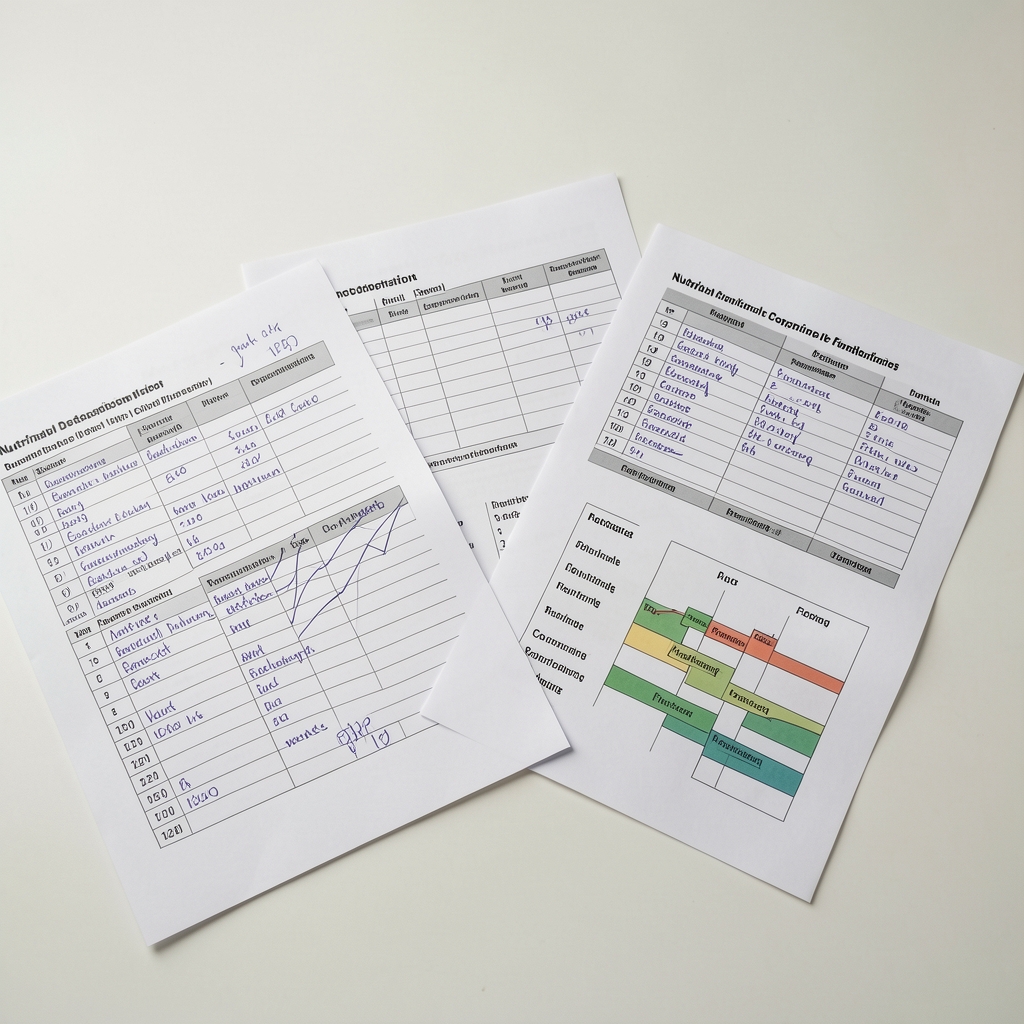
7-Day Dietary Record Submission
Each engagement commences with a 7-day food diary submission. The record captures every meal, ingredient, and approximate portion across a full weekly cycle. Granel provides a structured diary template with portion-size reference guides to ensure consistent notation across all entries.
The diary is reviewed prior to the initial consultation session and cross-referenced against published UK dietary reference values for the individual's age, sex, and stated activity level. No compositional planning begins until this baseline record is complete and verified.
Macronutrient & Micronutrient Profiling
The 7-day diary is processed through a structured composition analysis examining macronutrient ratios (protein, carbohydrate, fat), fibre intake, and micronutrient density across the key food groups. The analysis identifies compositional gaps, areas of excess, and the distribution of intake across the daily eating window.
Granel's composition analysis draws on published food-composition databases and nutritional reference tables from recognised UK and European food-information sources. All analysis outputs are documented under a unique lot record assigned to the individual at intake.
Personalised Nutritional Protocol
Protocol design translates the composition analysis findings into an actionable nutritional plan. This covers daily eating structure, meal composition targets, portion methodology, and ingredient substitution guidance. Plans are calibrated to the individual's goals: weight management, active lifestyle support, whole-food habit formation, or gut-health optimisation.
Each protocol is produced as a structured document with revision numbering, an issue date, and a scheduled review date. The document format allows direct comparison across revision cycles, making longitudinal progress observable in the archive.
Third-Party Ingredient Verification
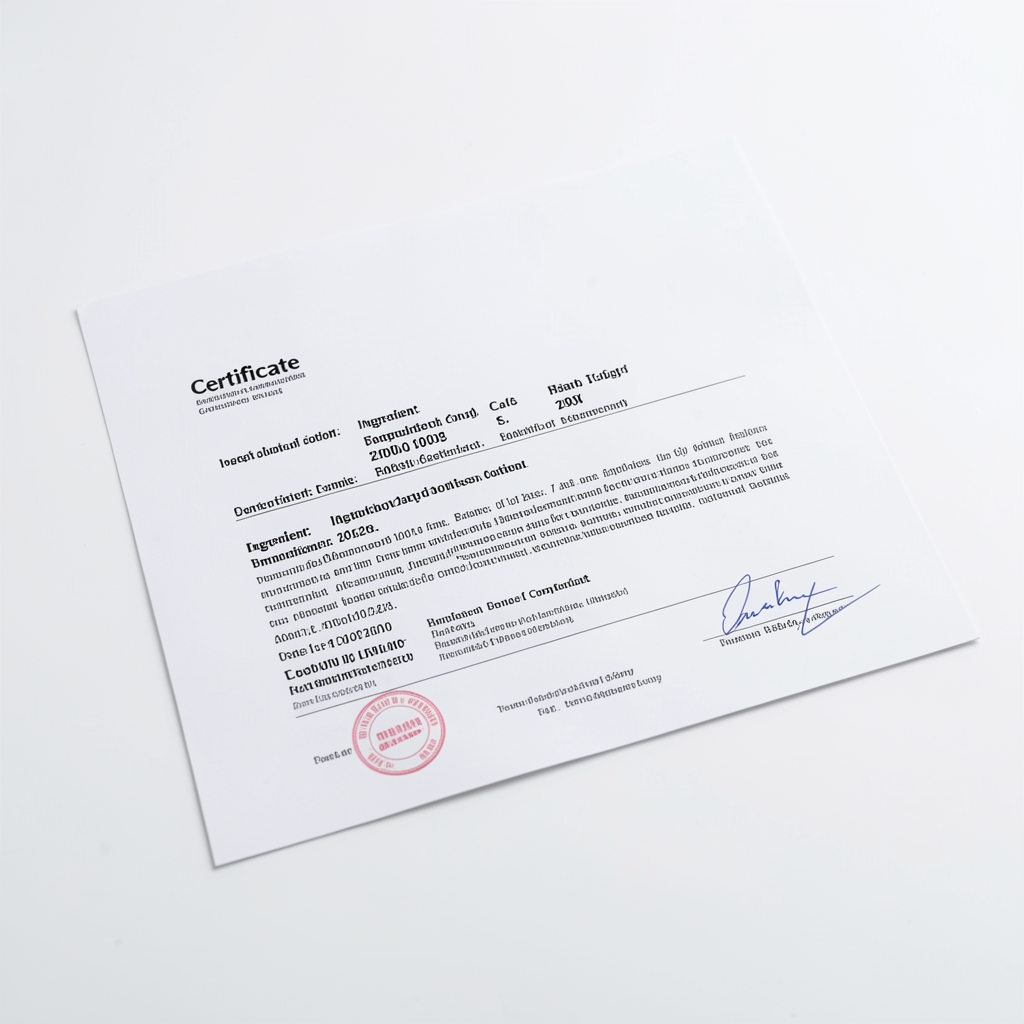
Where whole-food supplement components are incorporated into a protocol, Granel requires independent batch verification from the supplying party. Active ingredients are sourced from documented suppliers, with each batch accompanied by a certificate of composition. Sourcing prioritises suppliers whose facilities maintain food-grade processing standards.
Ingredient profiles in any Granel-referenced supplements are selected based on published nutritional research and undergo independent batch verification for quality and labelling accuracy. Verification documentation is filed under the corresponding lot record.
Fortnightly Review & Archive
Follow-up review sessions occur fortnightly throughout the active programme period. Each session produces a structured review record: adherence notation, composition update, and a revised version of the protocol document where adjustment is indicated. All review records are archived under the individual's lot reference.
The review cycle is designed to produce measurable longitudinal data on intake composition change over time. At the end of a programme period, the full review archive constitutes a verifiable record of the individual's dietary progression from baseline to target composition.
Quarterly Seasonal Produce Integration
Nutritional protocols are reviewed quarterly to incorporate seasonal produce availability. UK harvest cycles are mapped against the current protocol's ingredient list, and substitution recommendations are issued where ingredients pass peak seasonal availability. This ensures dietary variety and ingredient quality are maintained across all four quarters of the year.
Seasonal produce maintains higher micronutrient density at point of consumption than out-of-season alternatives transported under extended cold-chain conditions. Quarterly adjustment is therefore a structural component of Granel's methodology, not an optional refinement.
Chain-of-custody from origin to protocol.
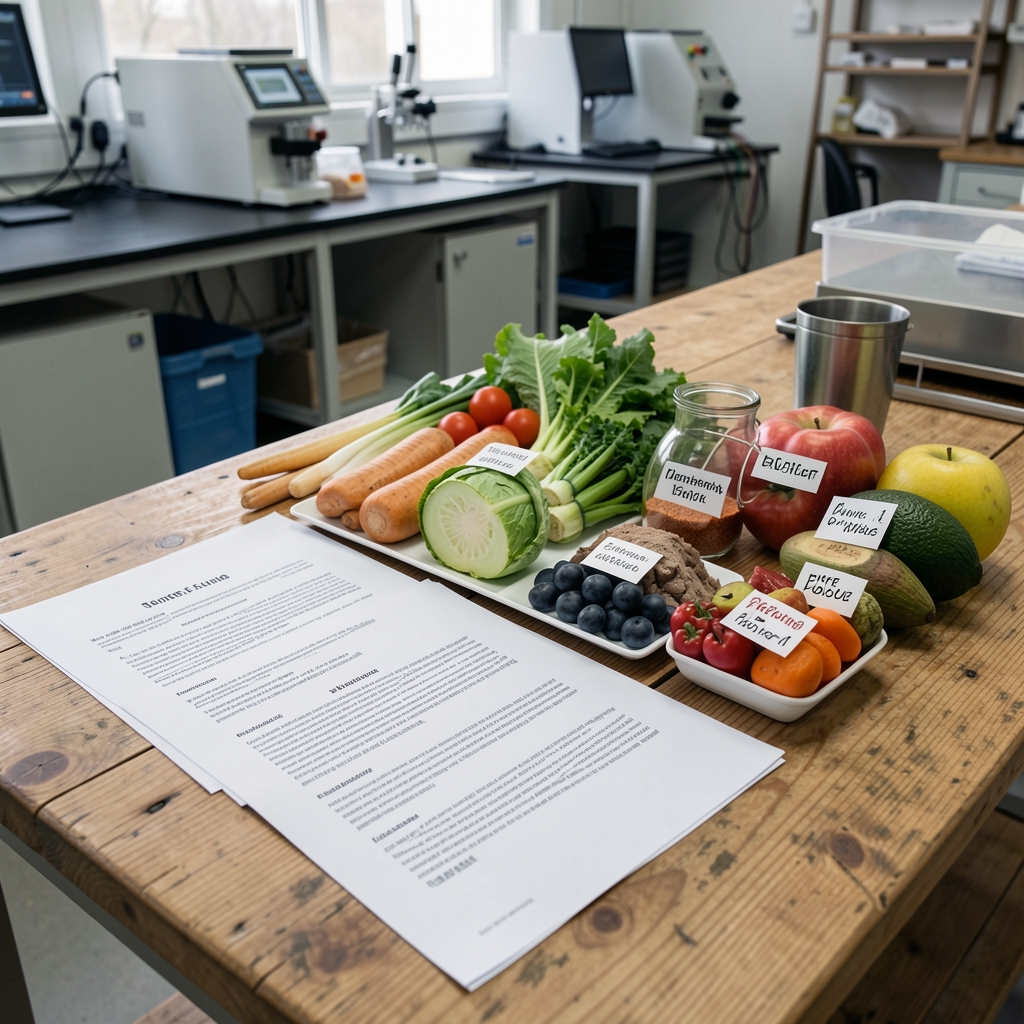
Granel's ingredient sourcing approach applies traceability as a baseline requirement. Every ingredient referenced in a protocol carries a documented sourcing notation covering the supplier locale, batch code, and issue date. Suppliers are evaluated on their ability to provide food-grade processing documentation and consistent composition records across supply cycles.
Where possible, ingredient sourcing prioritises regional UK suppliers with documented seasonal produce cycles. For ingredients without viable regional alternatives, sourcing notes document the origin country and the supply chain intermediary where one exists.
All sourcing records are stored in the Granel ingredient archive alongside the corresponding composition analysis and independent verification documentation.
Version-Numbered Records
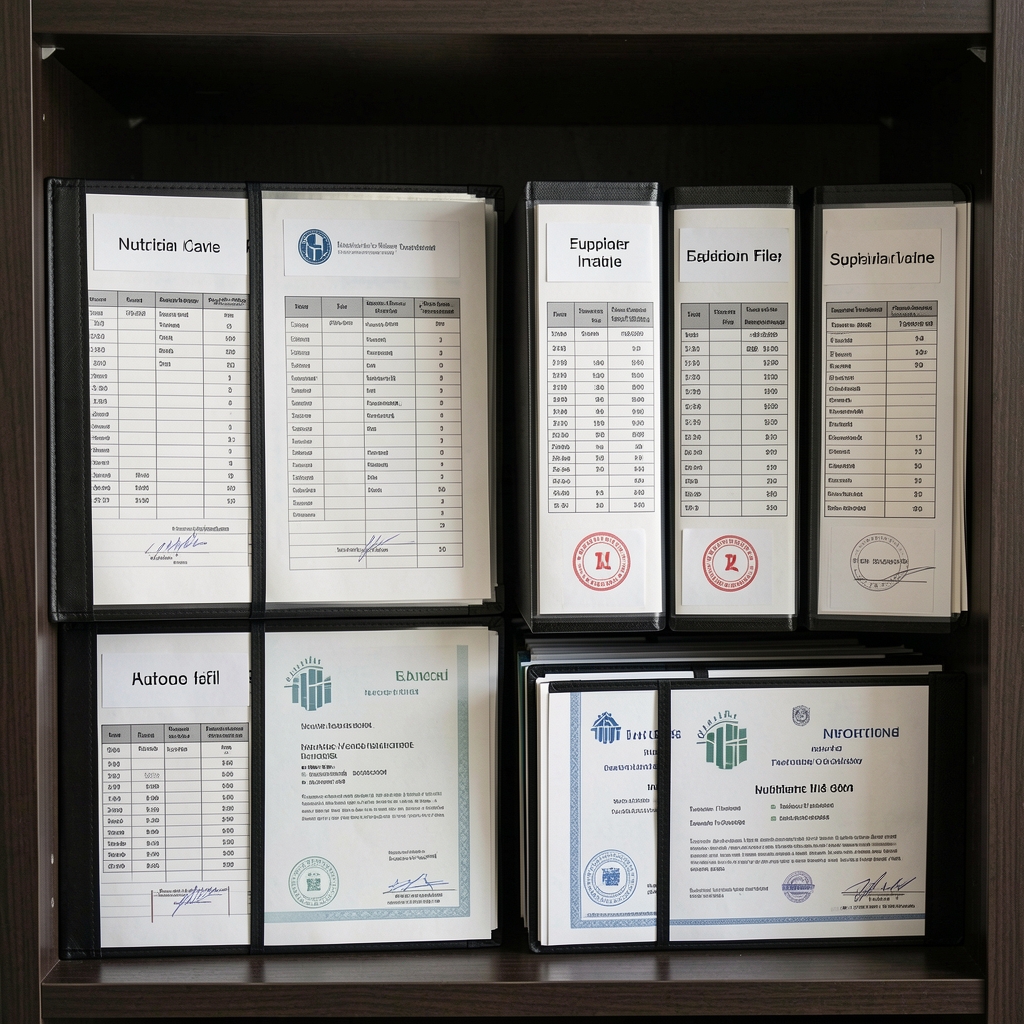
Every protocol document is issued with a revision number and a date stamp. When a protocol is updated — following a review session, seasonal adjustment, or a change in individual circumstances — the updated document is issued as a new revision, and the prior version is archived rather than deleted. This produces a full edit history for each individual.
Individual Lot Coding
Each individual is assigned a unique lot reference at the commencement of their engagement. This reference links all associated documentation: the intake baseline record, the composition analysis output, the nutritional protocol, and all subsequent review records. Cross-referencing by lot code allows rapid retrieval of the complete engagement history.
Research-Referenced Guidance
Compositional guidance and nutrient role descriptions in Granel's protocols reference published nutritional research. Each reference is cited with its source, year, and the specific compositional claim it supports. This documentation standard prevents the accumulation of unsourced assertions in the protocol archive and maintains intellectual honesty in the guidance provided.
Continuous Intake Record
The 7-day diary format is maintained throughout the engagement as a recurring intake record, submitted fortnightly to coincide with review sessions. Over a 12-week programme, this produces a 12-point intake dataset that enables longitudinal composition analysis. The record captures adherence, deviation patterns, and seasonal variation in ingredient access.
Supplier Documentation Chain
For ingredients sourced beyond the standard whole-food retail supply chain, Granel requires a documented verification chain covering the processing facility, the batch identifier, and the composition certificate. This chain is filed in the ingredient archive and linked to the relevant individual protocol by lot reference.
ISO-Style Archive Structure
The Granel documentation system is structured for audit readiness. Protocol folders are organised by lot reference, with a master index linking each lot to its composition analysis, review records, and supplier documentation. All documents carry a consistent heading structure: document type, lot reference, revision number, and issue date.
Published research as the primary evidence base.
Granel's compositional guidance is grounded in published nutritional research. The practice references peer-reviewed food science literature, established dietary reference frameworks, and published food-composition databases. No proprietary claims are made about ingredient efficacy beyond what the referenced literature supports.
Dietary Reference Values
Composition analysis is referenced against UK Government dietary reference values and European Food Safety Authority (EFSA) nutritional reference values for macronutrient and micronutrient intake across age and sex categories.
Food Composition Databases
Macronutrient and micronutrient data is drawn from recognised food composition databases, including Public Health England's McCance & Widdowson food composition tables and equivalent European reference datasets where UK data is incomplete.
Gut Microbiome Research
Gut-friendly recipe selections and fibre-density guidance are informed by published nutritional research on dietary fibre, prebiotic food profiles, and fermented food composition, drawing primarily on research published in peer-reviewed nutrition journals.
Sport Nutrition Literature
Active lifestyle and sport nutrition protocols reference published research on carbohydrate periodisation, protein distribution, and micronutrient considerations for sustained physical output, drawing on literature from sports nutrition and exercise physiology journals.
Granel products are nutritional food-supplements registered with the applicable local regulatory authority under food-supplement classification. Products meet compositional and labelling requirements for nutritional supplement categories.
Ingredient profiles in Granel supplements are selected based on published nutritional research and undergo independent batch verification for quality and labelling accuracy.
We recommend speaking with a qualified wellness or nutrition professional before introducing any supplement to your daily routine, particularly if you have specific dietary requirements.
Questions about process or documentation.
The Granel practice accepts documentation and methodology enquiries by email prior to the first consultation.
Contact Granel